
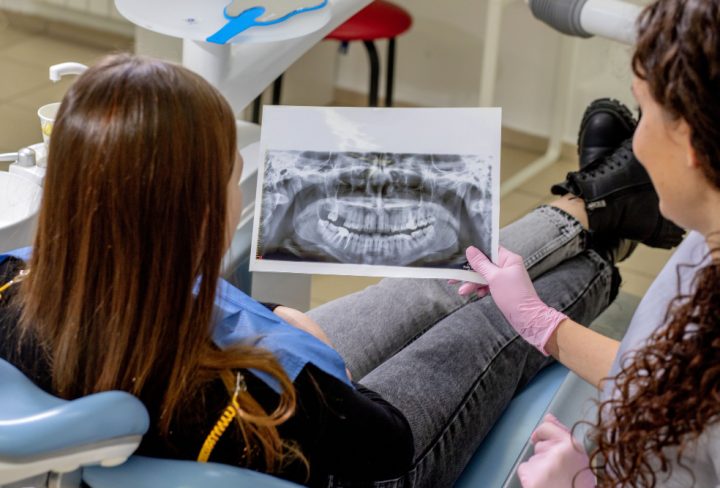
Introduction to CBCT Dental Imaging
CBCT dental imaging, or Cone Beam Computed Tomography, is a special type of X-ray. Unlike regular dental X-rays, CBCT creates 3D images of your teeth, jaw, and nearby areas. Because it shows more detail, dentists use CBCT to spot hidden dental problems. As a result, advanced dental imaging helps your dentist plan better treatments and catch issues early. In this blog, you will learn what CBCT is, how it works, and what it can reveal beyond your smile.
What is CBCT?
CBCT stands for Cone Beam Computed Tomography. It is a modern dental scan that uses a cone-shaped X-ray beam. The machine rotates around your head and takes many pictures from different angles. Then, a computer combines these images into a 3D view. Because of this, dentists can see your teeth, bones, and soft tissues in great detail. CBCT is quick, painless, and usually takes less than a minute.
Common Uses of CBCT in Dentistry
CBCT dental imaging is used for many reasons. Dentists often use it to:
Because CBCT provides a 3D view, it helps dentists avoid surprises during treatment. For example, it can show nerves and blood vessels that regular X-rays might miss.
Surprising Findings: What CBCT Can Reveal Beyond Routine Dental Checks
CBCT dental imaging can uncover more than just cavities or missing teeth. In fact, it can reveal:
Because of these features, CBCT is a powerful tool for dental health diagnostics. It helps dentists catch hidden dental problems early, which can lead to better outcomes.
Benefits and Limitations of CBCT
CBCT scan benefits include:
However, there are some limitations:
Even so, for many patients, the benefits outweigh the risks. Dentists follow safety guidelines to keep radiation exposure low. (Source: CDC, WHO)
Safety and Radiation Concerns
Many people worry about radiation from dental scans. While CBCT does use more radiation than standard X-rays, it is still considered safe when used properly. Dentists only recommend CBCT when it is truly needed. They also use the lowest possible dose. According to the World Health Organization, the risk from dental CBCT is very low, especially compared to medical CT scans. Still, pregnant women and young children should avoid unnecessary scans.
When Should You Consider CBCT?
You might need CBCT dental imaging if:
Because every case is different, your dentist will decide if CBCT is right for you. If you have questions, always ask your dental team for advice.
Prevention and Oral Health Tips Based on CBCT Findings
CBCT scans can help you take better care of your mouth. For example, if the scan shows bone loss, your dentist may suggest ways to protect your jawbone. If it finds sinus or TMJ problems, you may need to see a specialist. To keep your mouth healthy:
Because CBCT can reveal hidden dental problems, it helps you and your dentist make better choices for your health.
Conclusion
CBCT dental imaging is a powerful tool for finding and treating hidden dental problems. It goes beyond regular X-rays to show your teeth, jaw, and more in 3D. If you have dental concerns or need advanced dental imaging, consult your dentist or a radiology specialist to learn if CBCT dental imaging is right for you.