
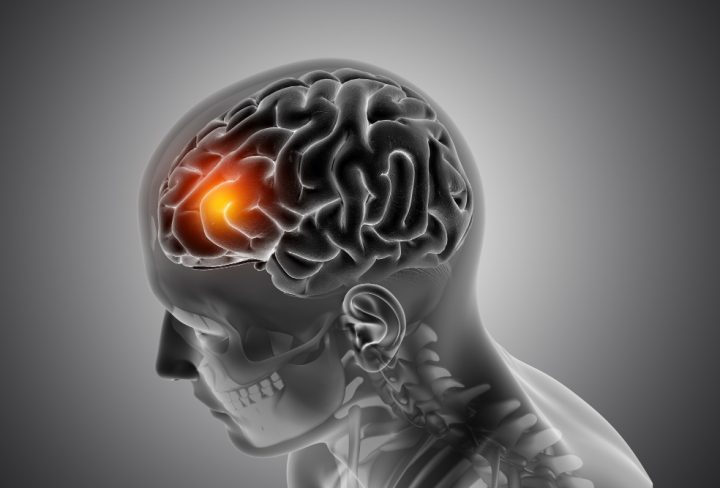
What Is a Brain Stroke?
A brain stroke happens when blood flow to part of the brain stops. This can damage brain cells quickly. Because of this, a brain stroke is a medical emergency. Early signs of brain stroke include sudden weakness, trouble speaking, or confusion. Many people ask about stroke symptoms and how doctors confirm a stroke. In radiology, special scans help with stroke diagnosis. According to the World Health Organization (WHO), strokes are a leading cause of disability worldwide. Knowing the basics can help you act fast and get the right care.
Common Symptoms of Brain Stroke
Recognizing stroke symptoms early can save lives. Not all strokes look the same. However, some signs are more common than others. If you notice these, seek help right away:
For example, if someone cannot smile evenly or lift both arms, it may be a stroke. Quick action is key. The CDC also highlights these warning signs as reasons to call emergency services.
Causes and Risk Factors
There are two main types of brain stroke. First, an ischemic stroke happens when a blood vessel gets blocked. Second, a hemorrhagic stroke occurs when a blood vessel bursts. Both types stop blood from reaching brain cells. But what increases your risk?
Additionally, unhealthy habits like poor diet or lack of exercise can raise your risk. Knowing these factors helps you make better choices. The American Stroke Association stresses the importance of managing these risks.
How Radiology Helps Diagnose Brain Stroke
Radiology plays a big role in stroke diagnosis. When you reach the hospital, doctors often use brain scans. These scans show if a stroke has happened and what type it is. For instance, a CT scan can quickly spot bleeding or blockages. An MRI gives more detail about brain tissue damage. Because of these tools, doctors can plan the best treatment. In many cities, stroke care centers use advanced radiology for fast results. The sooner the diagnosis, the better the outcome.
Treatment Options
Treatment depends on the stroke type. For ischemic strokes, doctors may use clot-busting drugs. Sometimes, they remove the clot with a special device. For hemorrhagic strokes, stopping the bleeding is the main goal. Surgery may be needed in some cases. Early treatment can limit brain damage and improve recovery. Rehabilitation, such as physical or speech therapy, often follows. Each patient’s care plan is unique. Therefore, always follow your doctor’s advice for the best results.
Prevention and Lifestyle Tips
While not all strokes can be prevented, healthy habits lower your risk. Here are some tips:
Moreover, regular health screenings can catch problems early. Many hospitals offer stroke care in your area, so ask about local resources.
If you notice any symptoms of a brain stroke, consult a healthcare specialist at LKR Hospitals immediately for personalized care.