
Introduction to Color Doppler Ultrasound
Color Doppler Ultrasound is a special type of medical test. It uses sound waves to create pictures of blood flow in your body. Doctors often use this test to check how blood moves through your veins and arteries. Unlike regular ultrasound, Color Doppler adds color to show the speed and direction of blood flow. Because of this, it helps doctors find problems quickly and easily.
How Color Doppler Ultrasound Works
First, a regular ultrasound sends sound waves into your body. These waves bounce back and create images of your organs. However, Color Doppler Ultrasound goes a step further. It measures how fast and in which direction blood is moving. The machine then adds color to the images. For example, red may show blood moving toward the probe, while blue shows blood moving away. This makes it easier for doctors to spot blockages or slow blood flow. If you wonder “how does Color Doppler work,” it is all about using sound waves and color to track blood movement.
Common Uses and Indications
Doctors recommend a Color Doppler Ultrasound for many reasons. Often, it helps check blood flow in the arms, legs, neck, or abdomen. Here are some common uses:
Because it is safe and quick, doctors often choose this test to get clear answers.
What to Expect During the Procedure
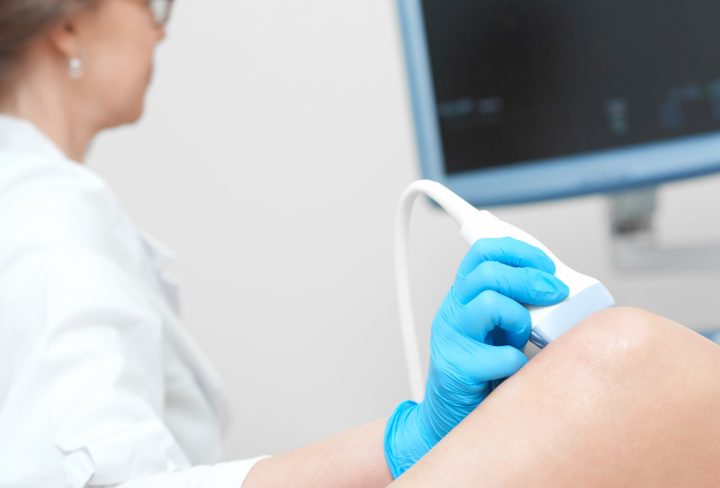
Before your Color Doppler Ultrasound procedure, you may get simple instructions. Sometimes, you need to avoid eating for a few hours. However, for most tests, no special steps are needed. When you arrive, you will lie down on a table. The technician will apply a cool gel to your skin. This gel helps the sound waves travel better. Next, the technician moves a small device, called a probe, over the area being checked. You may feel slight pressure, but it should not hurt. The test usually takes 30 to 60 minutes. Afterward, you can return to your normal activities right away.
Benefits and Limitations
Color Doppler Ultrasound offers many benefits. For example, it is non-invasive, which means no needles or surgery. It is also painless and does not use harmful radiation. Because it gives real-time images, doctors can make quick decisions. However, there are some limits. Sometimes, the test may not work well if you are overweight or if there is too much gas in your body. Also, it may not show very small blood vessels clearly. Even so, it remains a trusted tool for many health checks.
Safety and Risks
Many people ask, “Is Color Doppler safe?” The answer is yes. According to the World Health Organization (WHO), ultrasound tests, including Color Doppler, are very safe. They do not use X-rays or radiation. Side effects are rare. You may feel a little cold from the gel, but that is all. If you have any concerns, talk to your healthcare provider before the test.
Frequently Asked Questions (FAQ)
Conclusion
Color Doppler Ultrasound is a safe, quick, and helpful test. It helps doctors check blood flow and find problems early. If your doctor suggests this test, you can feel confident about its safety and value. For personalized advice, consult a radiologist or your healthcare provider.